12 Christmas Cookies to Bake This December
Christmas cookies are the easiest baking to share: a batch makes dozens, they keep well in a tin, and they suit everyone from a first-time baker to someone who has been making the same gingerbread for twenty years. The recipes below cover the classics, and each one is written for a home kitchen with ordinary equipment. Most need only a mixing bowl, a baking tray and an oven.
Before you start, check your baking powder and bicarbonate of soda, because both lose strength after about six months and flat cookies are usually caused by old raising agents. Bring butter and eggs to room temperature before you mix, and chill the dough for at least 30 minutes if the recipe says so, because cold dough spreads less in the oven. Line your trays with baking paper so the cookies come off easily, and bake one tray at a time in the centre of the oven for the most even results. A kitchen scale gives more reliable results than cups, and a 5-pound bag of flour covers about four batches.
Most of these cookies keep for a week in an airtight tin, and most doughs freeze well for a month. Bake in batches across December rather than all at once, and keep a box of mixed cookies ready for unexpected visitors. If you are baking with children, choose one recipe per session and let them do the cutting and decorating, which is the part they enjoy most.
1. Classic sugar cookies with royal icing

Sugar cookies are the blank canvas of Christmas baking. Cream 225g of soft butter with 200g of sugar, beat in one egg and a teaspoon of vanilla, then mix in 375g of plain flour and half a teaspoon of baking powder. Chill the dough for 30 minutes, roll it to about a quarter of an inch thick, cut into stars, trees and snowmen, and bake at 175°C for 8 to 10 minutes until the edges are just set. Let them cool completely before you decorate.
Royal icing is made from icing sugar, a little egg white or meringue powder, and water added a teaspoon at a time. Pipe an outline first, then flood the centre with slightly thinner icing and use a toothpick to spread it to the edges. Sprinkles go on while the icing is wet, and the cookies need about 4 hours to dry. Store iced cookies in a single layer or between sheets of baking paper, and they keep for a week. If the icing is too runny, add more sugar; if it is too thick, add water a drop at a time. If you do not have a piping bag, use a small zip-lock bag with a tiny corner snipped off, which works just as well for outlining.
2. Gingerbread people

Gingerbread people are the cookie most families make together, and the recipe is forgiving. Melt 125g of butter with 100g of golden syrup or molasses and 100g of brown sugar, then stir in 350g of plain flour, a teaspoon of ground ginger, a teaspoon of cinnamon, half a teaspoon of bicarbonate of soda and a pinch of cloves. Chill the dough for an hour, roll it out, cut the shapes and bake at 180°C for 10 to 12 minutes until firm at the edges.
Let the cookies cool on the tray for five minutes before you move them, because warm gingerbread breaks easily. Decorate with royal icing for eyes, smiles and buttons, and add currants for buttons if you prefer. Gingerbread keeps for two weeks in a tin and actually improves after a day as the spices settle. If the dough is sticky, dust the work surface with flour rather than adding more to the dough, and roll it between two sheets of baking paper for an even thickness. A gingerbread house uses the same dough, so make a double batch and use the extra for a small house to display on the table.
3. Shortbread fingers
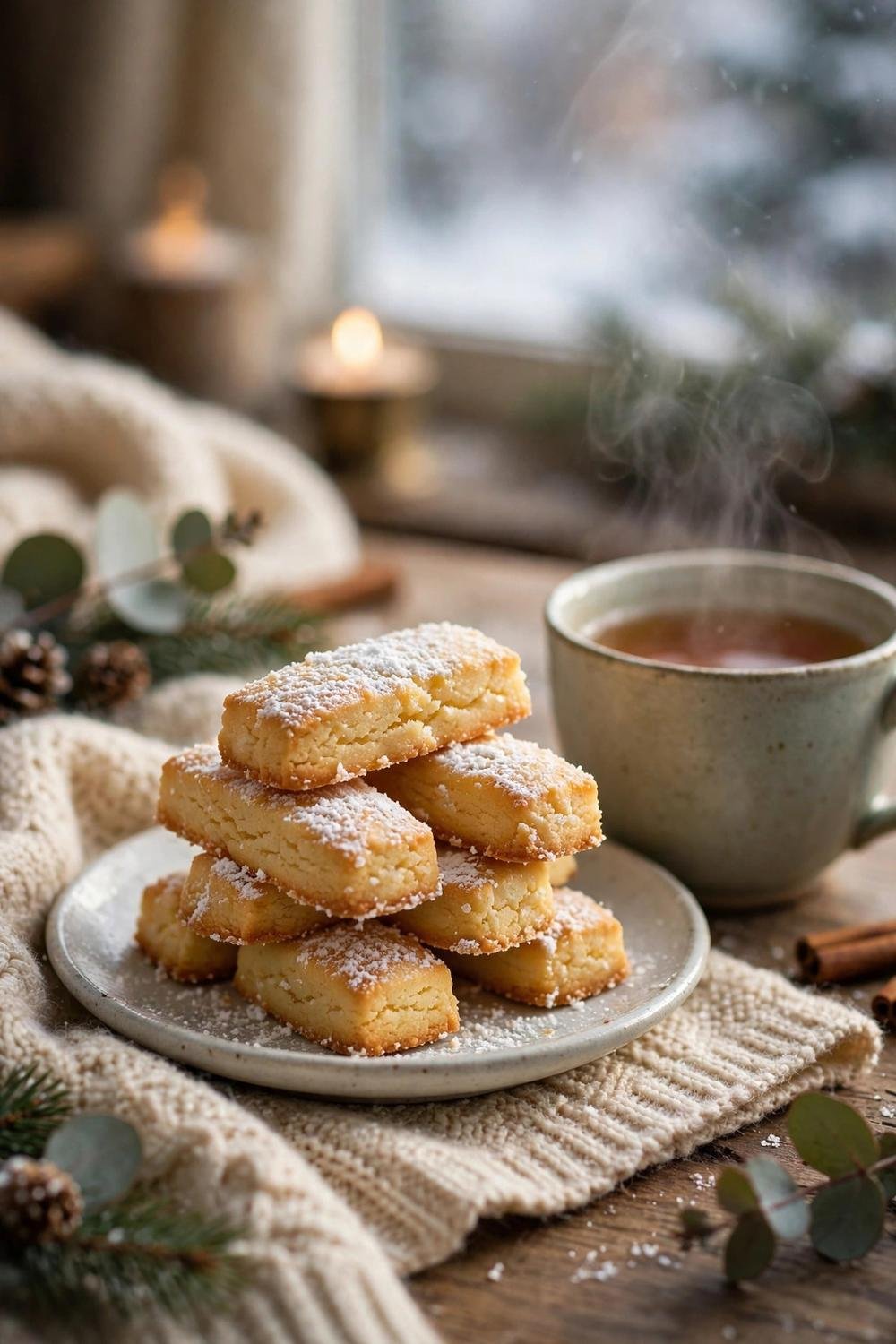
Shortbread has only three ingredients, which is why the quality of the butter matters so much. Rub 225g of cold butter into 350g of plain flour until it looks like breadcrumbs, stir in 100g of caster sugar, then press the mixture into a lined baking tray. Prick it all over with a fork, bake at 160°C for 25 to 30 minutes until pale gold, and cut into fingers while it is still warm. Sprinkle with a little extra sugar as it cools.
Use proper butter rather than a spread, because spreads contain water and make the shortbread soft. Do not overwork the dough, or it becomes tough instead of crumbly. Shortbread keeps for two weeks in a tin, and it freezes well for a month. For a variation, add a teaspoon of vanilla, the zest of a lemon, or dip one end of each finger in melted chocolate. It is also the best cookie to make ahead, because it tastes better after a day or two. Shortbread dough can be rolled into a log and sliced into rounds instead of fingers, which is faster if you are short on time.
4. Chocolate crinkle cookies
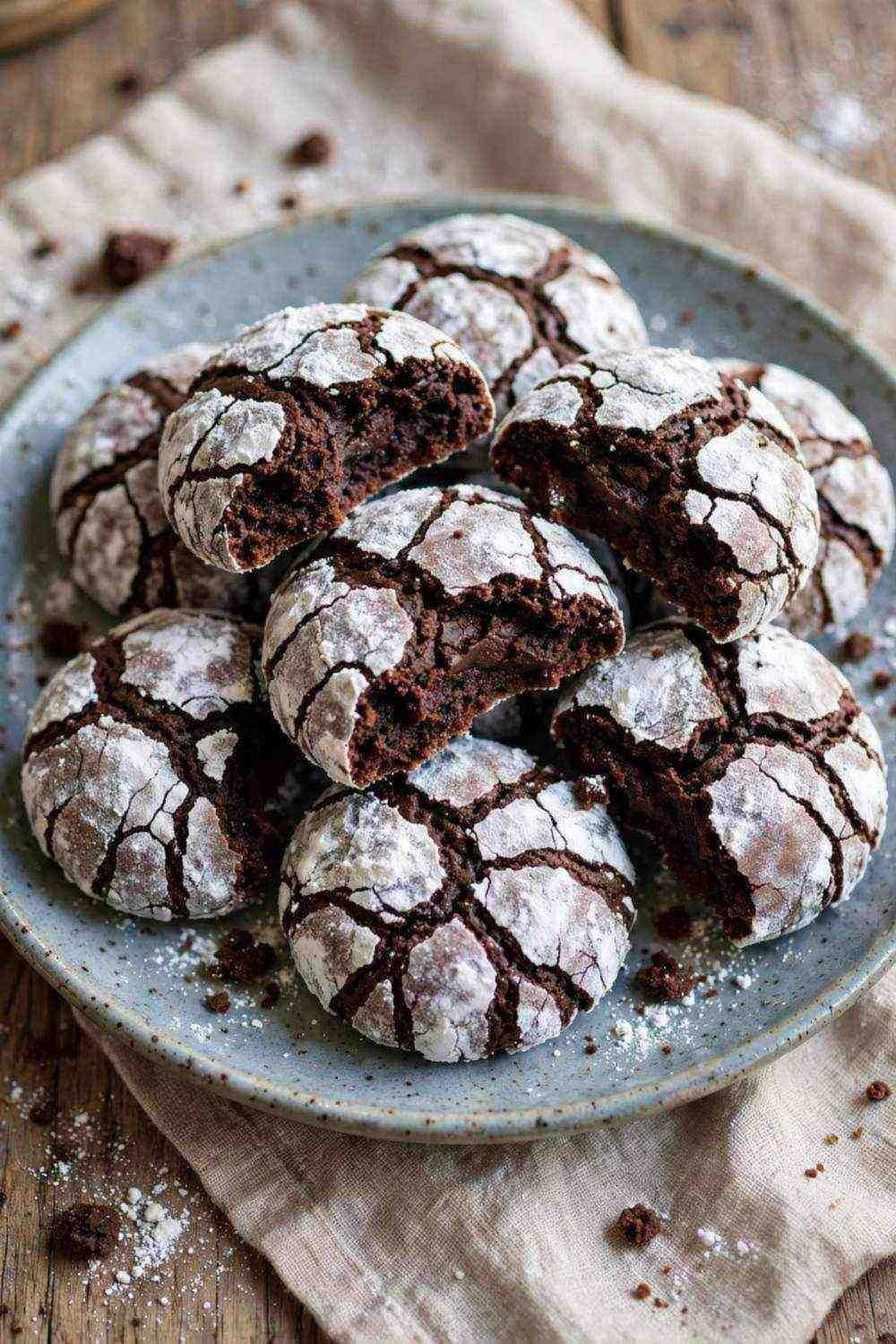
Chocolate crinkles look like snow-covered coal and taste rich and fudgy. Melt 200g of dark chocolate with 60g of butter, then beat in 150g of sugar and two eggs. Stir in 200g of plain flour, two tablespoons of cocoa, a teaspoon of baking powder and a pinch of salt. Chill the dough for at least an hour, roll it into balls, coat them generously in icing sugar and bake at 180°C for 10 to 12 minutes. The cracks appear as the cookies spread in the oven.
The icing sugar coating is what makes the crackled pattern, so roll the balls twice if the first coat looks thin. Do not flatten the balls before baking, because the shape helps the cracks form. The cookies should be soft in the middle when you take them out, and they firm up as they cool. They keep for a week in a tin, and the dough freezes well rolled into balls. If the dough is too soft to roll, chill it for another 30 minutes rather than adding flour. The dough keeps in the fridge for three days, so you can make it on a Friday and bake it fresh on Sunday.
5. Snickerdoodles
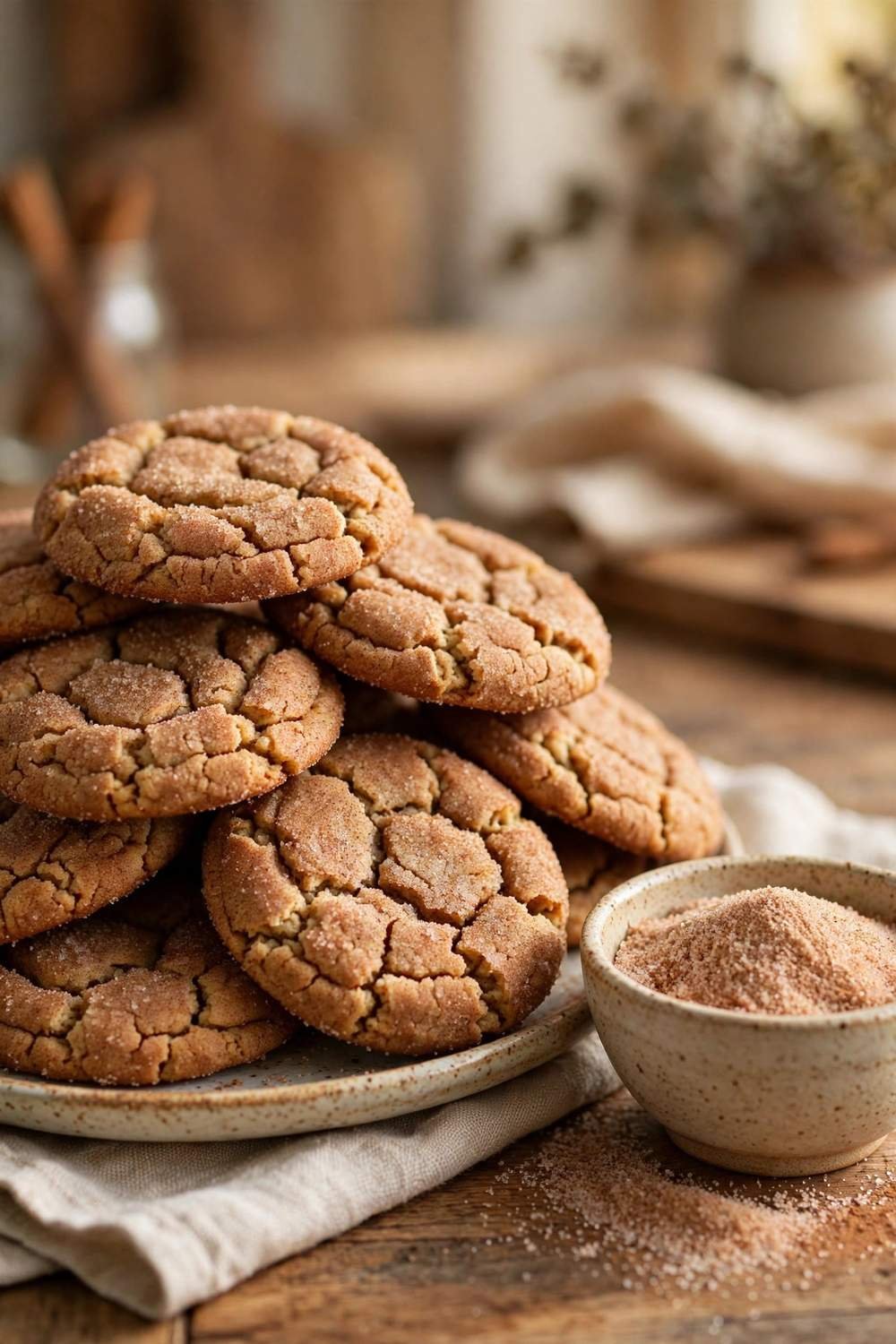
Snickerdoodles are soft, chewy cookies rolled in cinnamon sugar, and they are one of the easiest to make. Cream 225g of butter with 300g of sugar, beat in two eggs and a teaspoon of vanilla, then mix in 375g of plain flour, two teaspoons of cream of tartar, a teaspoon of bicarbonate of soda and a pinch of salt. Roll the dough into balls, coat them in a mix of sugar and cinnamon, and bake at 190°C for 8 to 10 minutes until the edges are set but the centres are still soft.
Cream of tartar is what gives snickerdoodles their slight tang and chewy texture, so do not leave it out. The cookies puff up in the oven and settle as they cool, which is normal. They are best eaten within three days, though they freeze well. For a Christmas version, add a pinch of nutmeg to the cinnamon sugar or a little orange zest to the dough. Children enjoy rolling the balls in the sugar, which makes this a good recipe for a family baking session. If you like a stronger cinnamon flavour, use two teaspoons of cinnamon in the coating instead of one.
6. Thumbprint jam cookies
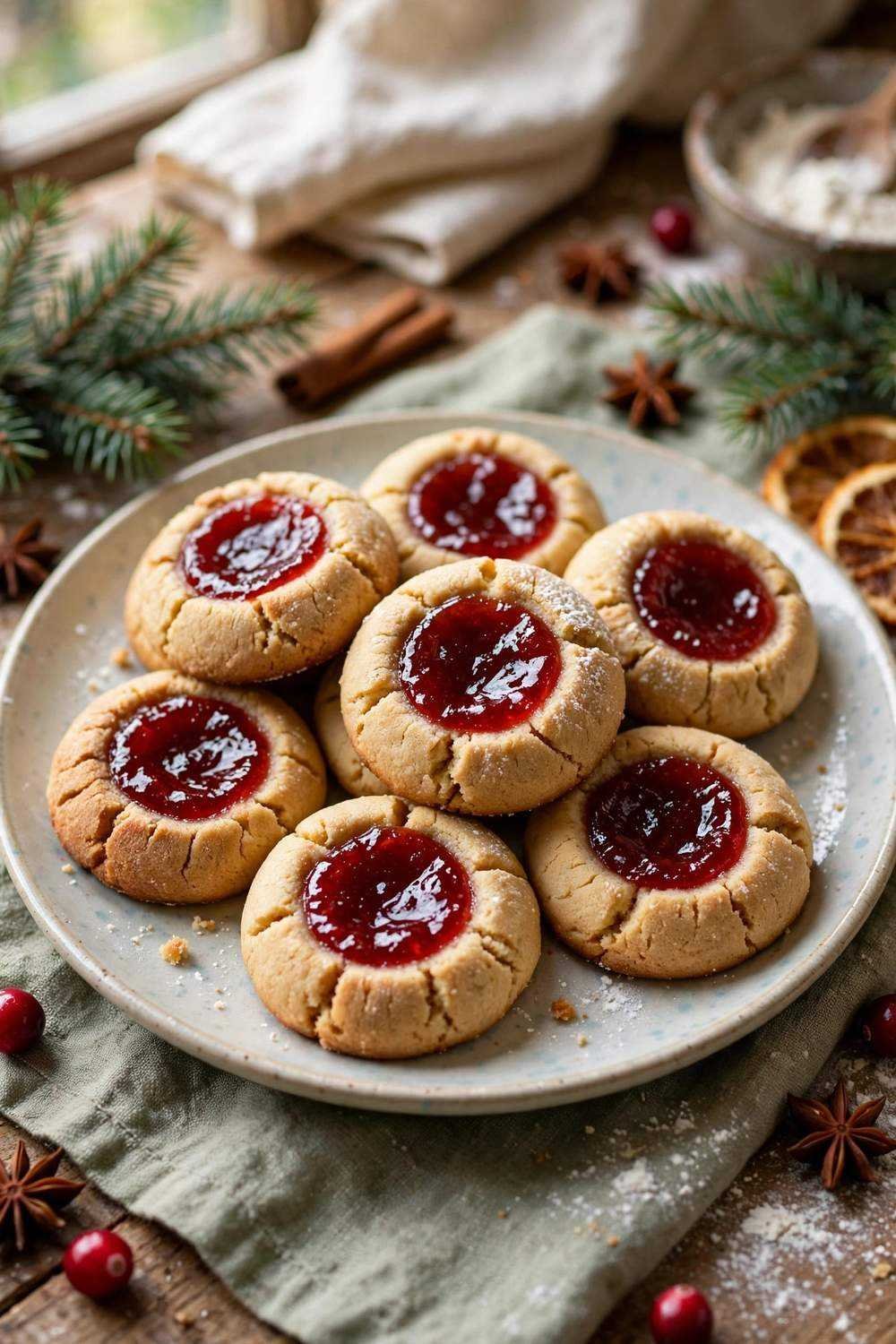
Thumbprint cookies are buttery rounds with a dent in the middle filled with jam, and they look like small jewels on a plate. Cream 225g of butter with 100g of sugar, beat in one egg yolk and a teaspoon of vanilla, then mix in 250g of plain flour. Roll the dough into balls, roll them in chopped nuts or sugar if you like, press a thumb into the centre of each one and fill the dent with about half a teaspoon of jam. Bake at 175°C for 12 to 14 minutes.
Use a thick jam or a seedless preserve so it does not run in the oven, and fill the cookies before baking rather than after. Raspberry and strawberry jam look festive, while apricot is a good choice if you prefer a lighter flavour. The cookies keep for a week in a tin, and the jam softens slightly over a day or two. If the dough cracks when you press it, let it warm up for a few minutes at room temperature and try again with damp hands. A teaspoon measure is handy for the jam, because half a teaspoon is the right amount and a knife tends to put on too much.
7. Peppermint bark cookies

Peppermint bark cookies combine a chocolate base with crushed candy canes, and they are a good way to use up leftover sweets. Make a simple chocolate cookie dough with 200g of flour, 50g of cocoa, 150g of sugar, 125g of butter and one egg, chill it for 30 minutes, then roll into balls and bake at 180°C for 10 minutes. While the cookies are still warm, press a square of white chocolate on top of each one and sprinkle with crushed candy cane.
Crush the candy canes in a sealed bag with a rolling pin, and use the fine pieces rather than large chunks, which are hard to bite. The white chocolate melts slightly from the heat of the cookie and sets as it cools, holding the candy in place. These cookies keep for a week in a tin, and they look striking on a plate next to plain cookies. If you do not have candy canes, use peppermint sweets or a few drops of peppermint extract in the dough instead. Store these cookies away from other cookies in the tin, because the peppermint flavour can transfer to plainer biscuits.
8. Oatmeal cranberry cookies
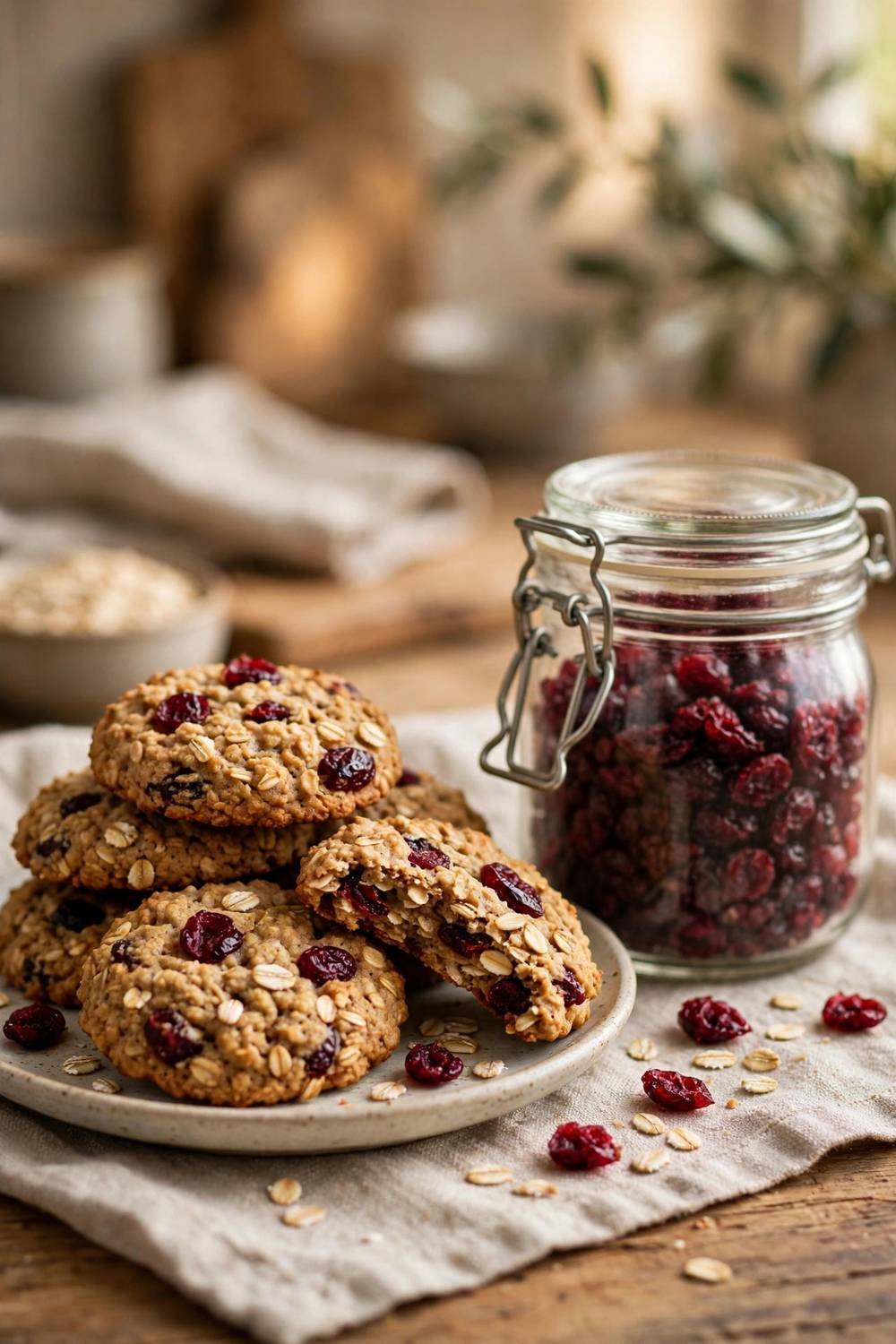
Oatmeal cranberry cookies are chewy, lightly spiced and a little less sweet than most Christmas cookies, which makes them popular with adults. Cream 175g of butter with 150g of brown sugar and 100g of white sugar, beat in one egg and a teaspoon of vanilla, then mix in 150g of plain flour, a teaspoon of cinnamon, half a teaspoon of bicarbonate of soda, 200g of rolled oats and 150g of dried cranberries. Drop spoonfuls onto a lined tray and bake at 180°C for 10 to 12 minutes.
Use rolled oats rather than instant oats, because they give a better texture. The cookies spread as they bake, so leave about 5cm between them on the tray. Dried cranberries can be soaked in warm water for ten minutes first if they are very dry, which stops them from burning at the edges. Add white chocolate chips or chopped pecans if you like. They keep for a week in a tin, and the dough can be frozen in a log and sliced when you need a fresh batch. If you prefer a softer cookie, take them out of the oven a minute early, because they continue to firm up on the tray.
9. Peanut butter blossoms
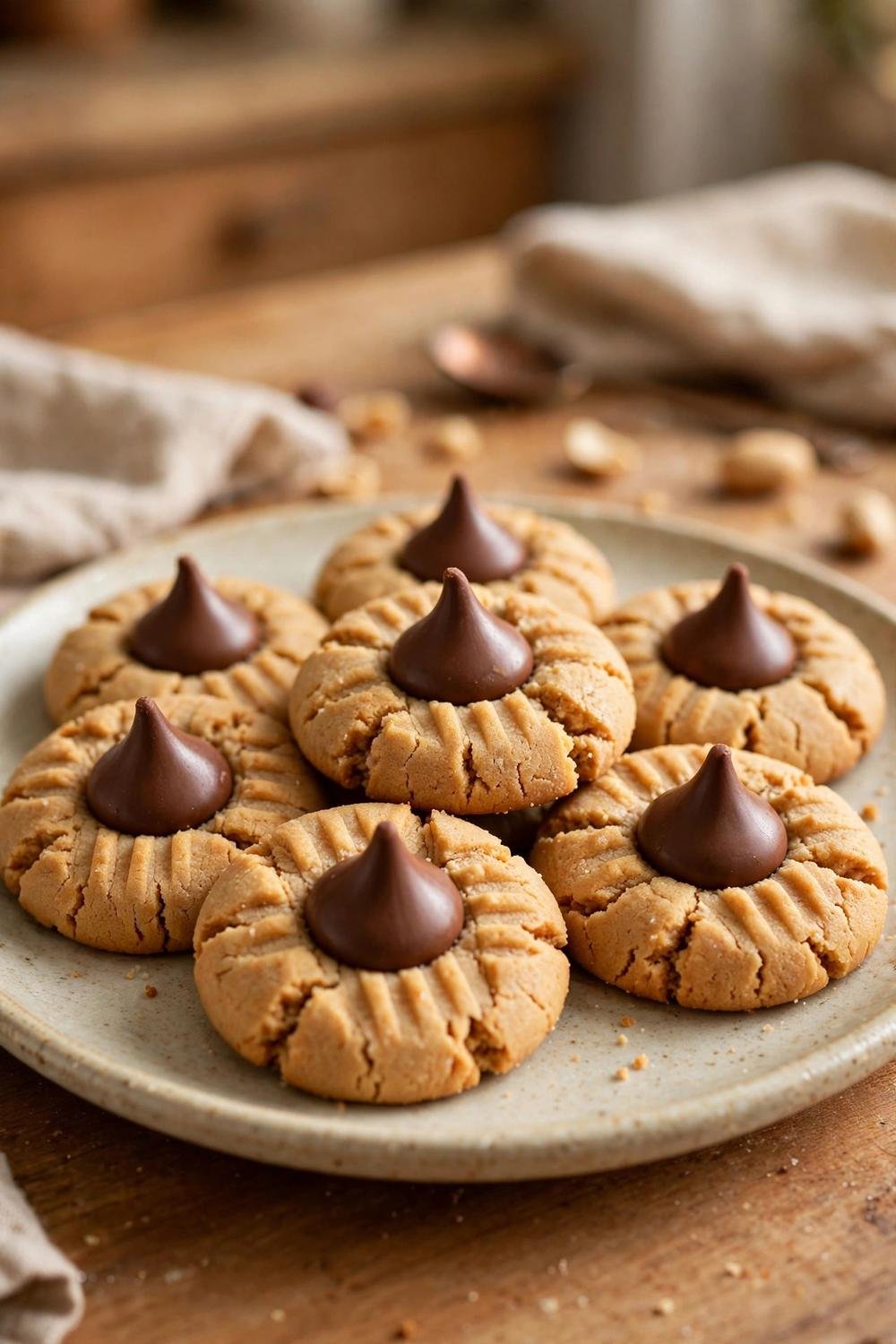
Peanut butter blossoms are soft peanut butter cookies with a chocolate kiss pressed into the centre, and they are a favourite with children. Cream 175g of butter with 150g of peanut butter, 150g of sugar and 100g of brown sugar, beat in one egg and a teaspoon of vanilla, then mix in 250g of plain flour, a teaspoon of bicarbonate of soda and a pinch of salt. Roll the dough into balls, coat them in sugar and bake at 180°C for 8 to 10 minutes.
Press a chocolate kiss into the centre of each cookie as soon as it comes out of the oven, while the cookie is still soft. The kiss will soften slightly but should keep its shape. Use smooth peanut butter rather than crunchy for a smoother dough, and unwrap the kisses before you start baking so you can work quickly. The cookies keep for a week in a tin. If anyone in the house has a nut allergy, make a separate batch of plain sugar cookies on a clean tray. Freeze the chocolate kisses for 30 minutes before you press them in, so they hold their shape better on the warm cookie.
10. Linzer cookies
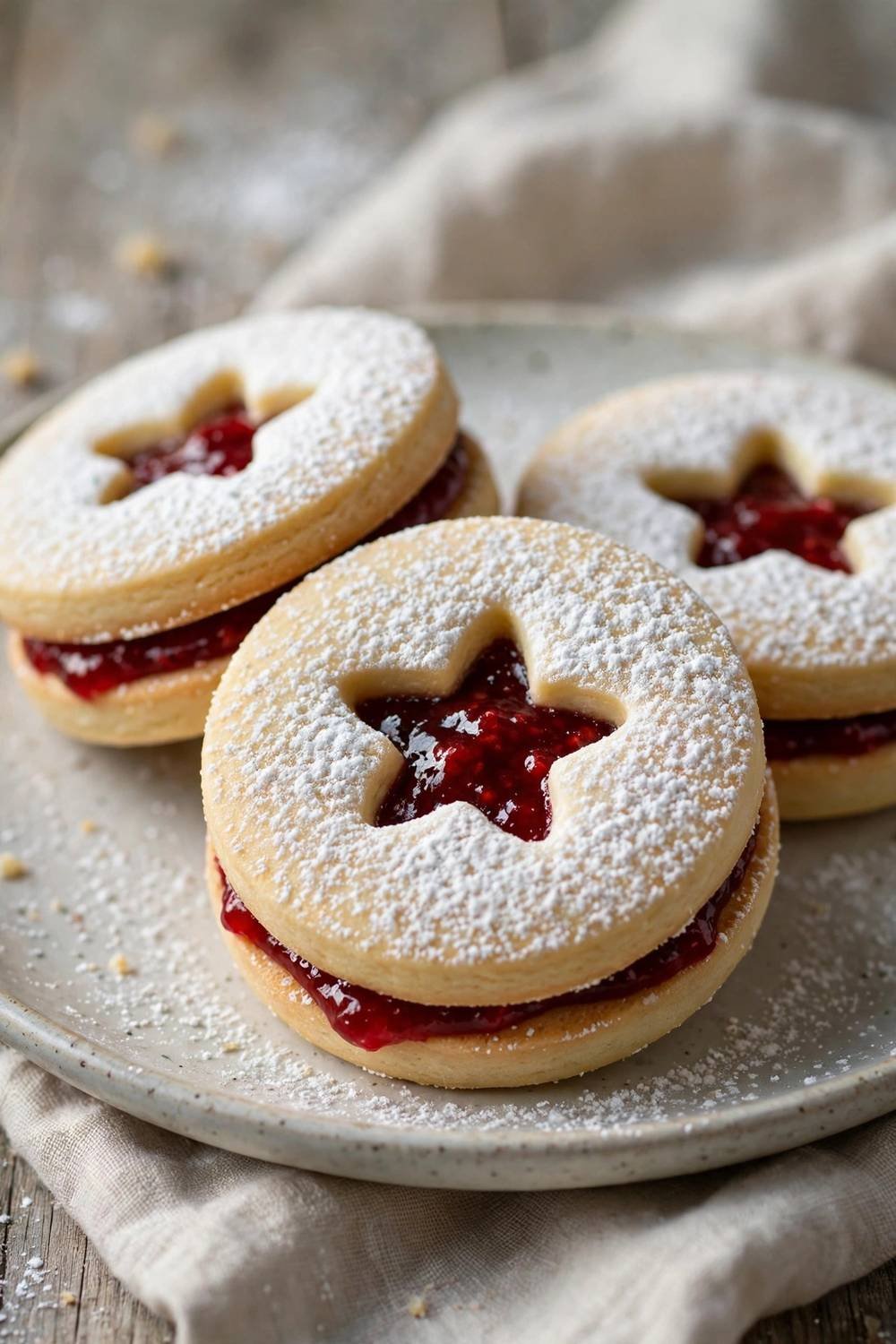
Linzer cookies are two thin almond biscuits sandwiched with jam, with a shape cut out of the top one so the jam shows through. Mix 200g of plain flour, 150g of ground almonds, 150g of butter, 100g of sugar, one egg yolk and a teaspoon of vanilla into a dough, chill for an hour, then roll thin and cut into rounds. Cut a small star or heart from the centre of half the rounds, bake all of them at 175°C for 10 to 12 minutes, then spread jam on the solid rounds and press the cut-out rounds on top.
Dust the finished cookies with icing sugar so the jam in the cut-out stands out. Raspberry jam is traditional and looks best, but apricot or blackcurrant work too. The cookies are delicate, so handle them gently and store them in a single layer. They keep for five days in a tin, and the jam softens the biscuits slightly over time. If the dough is too crumbly to roll, add a teaspoon of cold water and knead it briefly. A small round cutter or even a bottle cap makes a neat hole in the top biscuit if you do not have a star cutter.
11. Molasses spice cookies
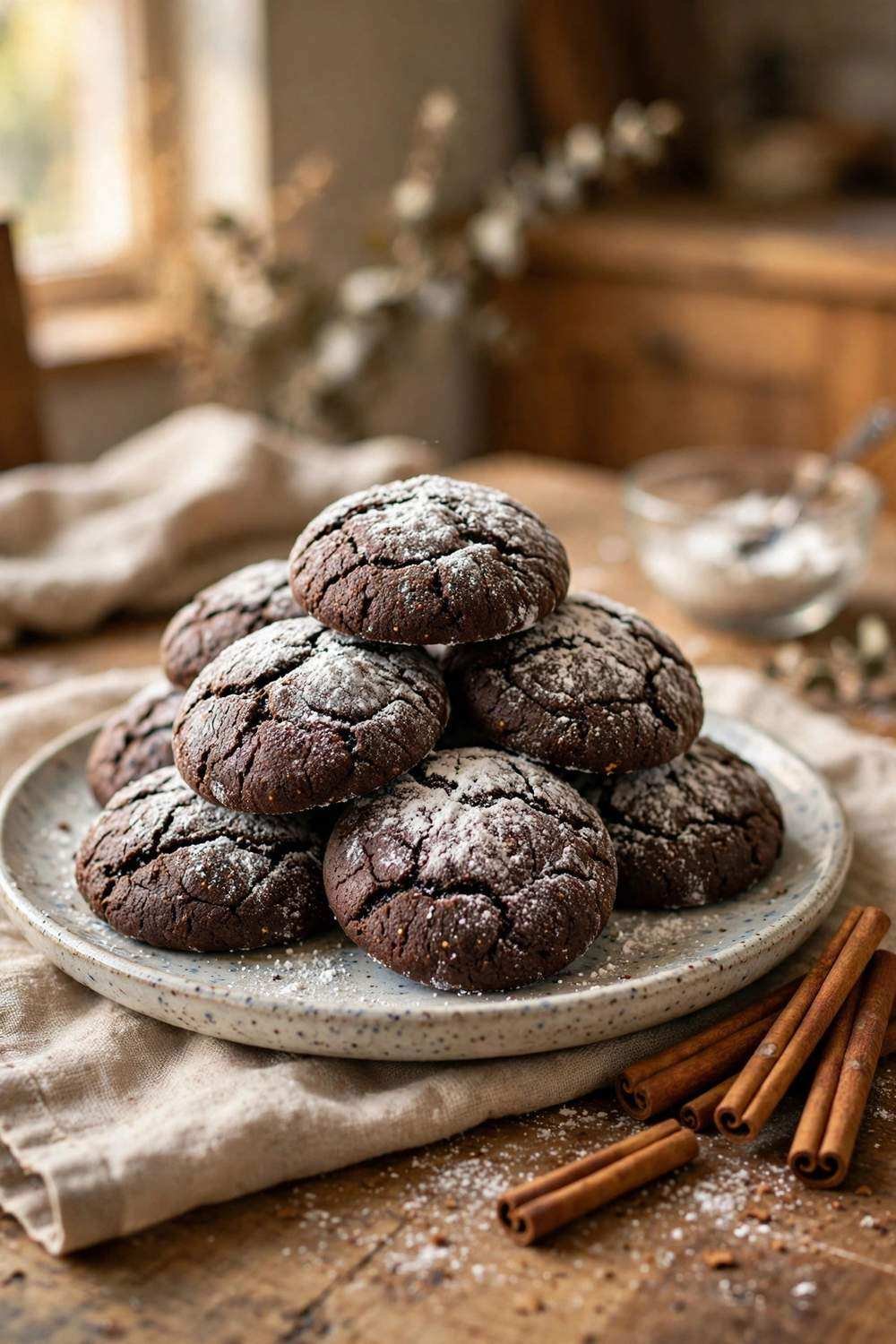
Molasses spice cookies are dark, soft and strongly flavoured with ginger, cinnamon and cloves, and they smell like Christmas while they bake. Cream 175g of butter with 200g of sugar, beat in one egg and 120ml of molasses, then mix in 350g of plain flour, two teaspoons of ground ginger, a teaspoon of cinnamon, half a teaspoon of cloves and two teaspoons of bicarbonate of soda. Chill for 30 minutes, roll into balls, coat in sugar and bake at 180°C for 9 to 11 minutes.
The cookies should look slightly cracked on top and feel soft in the middle when you take them out. They firm up as they cool, so do not overbake them. Molasses gives the cookies their dark colour and chewy texture, and black treacle works as a substitute if you cannot find molasses. They keep for two weeks in a tin and are one of the best cookies to make ahead. For a stronger flavour, add a little black pepper or extra ginger. These cookies freeze well once baked, so make a double batch and keep half in the freezer for unexpected visitors.
12. Cookie boxes for gifting
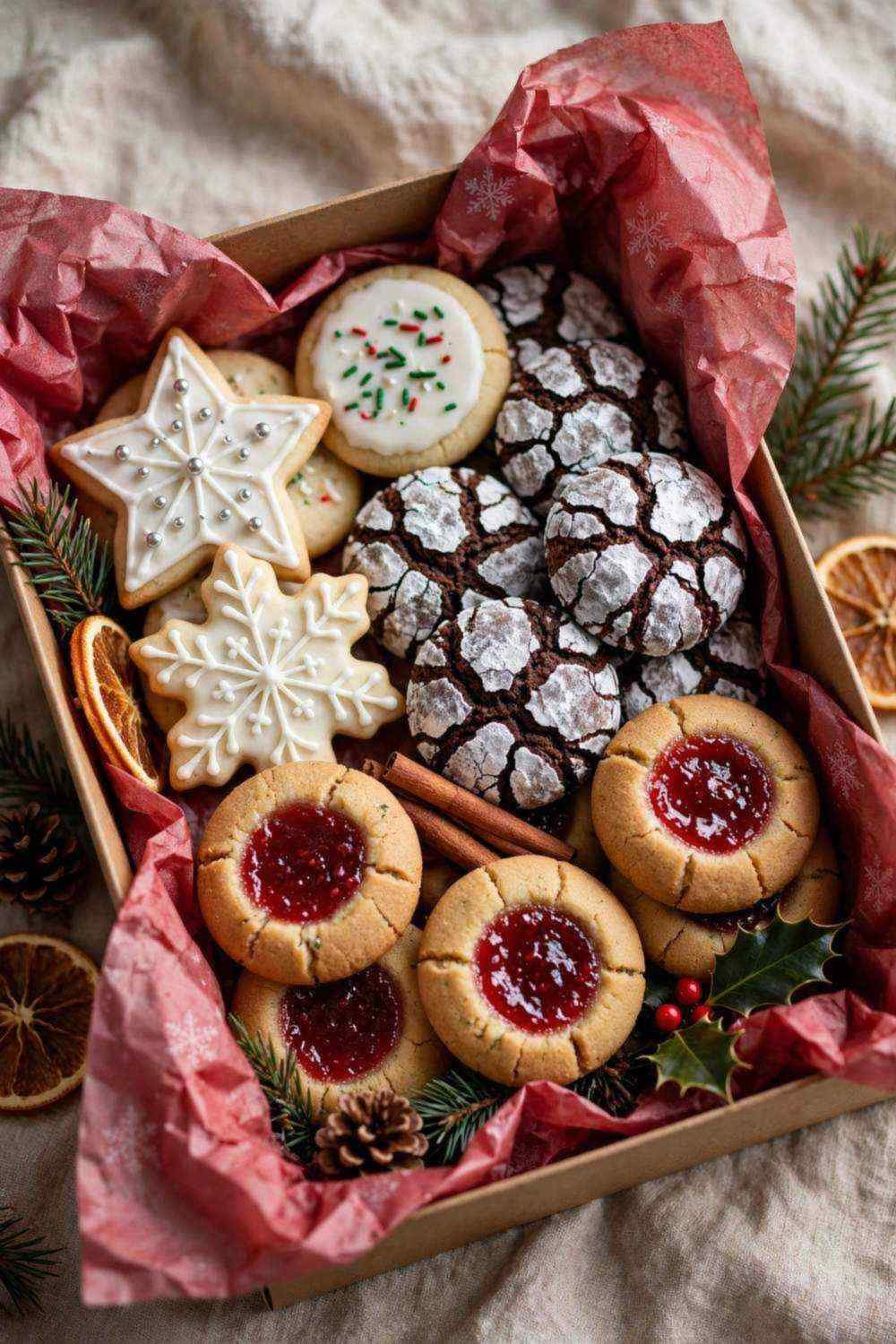
A mixed cookie box is the best way to share your baking, and it costs far less than a shop-bought hamper. Bake three or four recipes from this list, choosing a mix of colours and shapes: a decorated sugar cookie, a chocolate crinkle, a jam thumbprint and a shortbread finger look good together. Line a sturdy box or tin with tissue paper, arrange the cookies in rows with the prettiest ones on top, and add a small card listing what is inside.
Pack the cookies in a single layer where you can, or separate layers with baking paper so the icing does not smudge. Add a few wrapped sweets or a candy cane to fill the gaps. A box of 12 to 16 cookies is a good size for a neighbour, a teacher or a colleague, and it takes about an hour to assemble once the baking is done. Keep the box cool and dry, and deliver it within a day or two so the cookies are at their best. Write the date on the card so the recipient knows when they were baked. If you are posting a cookie box, wrap each cookie in tissue paper and pack the box tightly so nothing moves in transit.
Frequently asked questions
How long do Christmas cookies keep?
Most cookies keep for a week in an airtight tin at room temperature. Gingerbread and molasses cookies last two weeks, while iced sugar cookies keep for a week if stored in a single layer.
Can I freeze cookie dough?
Yes. Most doughs freeze well for up to a month. Shape the dough into a log or balls first, wrap it tightly, and bake from frozen with two extra minutes in the oven.
Why did my cookies spread too much?
Warm dough, too much butter or an oven that runs hot are the usual causes. Chill the dough for 30 minutes, check the butter was not melted, and bake one tray at a time.
Can I make these cookies with children?
Yes. Sugar cookies, gingerbread people and snickerdoodles are the best choices, because children can cut shapes, roll balls in sugar and decorate. Keep them away from the hot oven.
What is the best way to decorate cookies?
Royal icing piped from a small bag gives the neatest results. Let the cookies cool completely first, outline the shape, then flood the centre and add sprinkles while the icing is wet.
How do I stop royal icing from cracking?
Add water a drop at a time until the icing flows slowly off a spoon, and let the cookies dry at room temperature rather than in a warm oven. A thin layer dries more evenly than a thick one.

Save these ideas for later
Pin this article so it is easy to find when you are ready to start.
Save to Pinterest